SADC PF Plenary opens with call for urgent, collective action to end child marriage
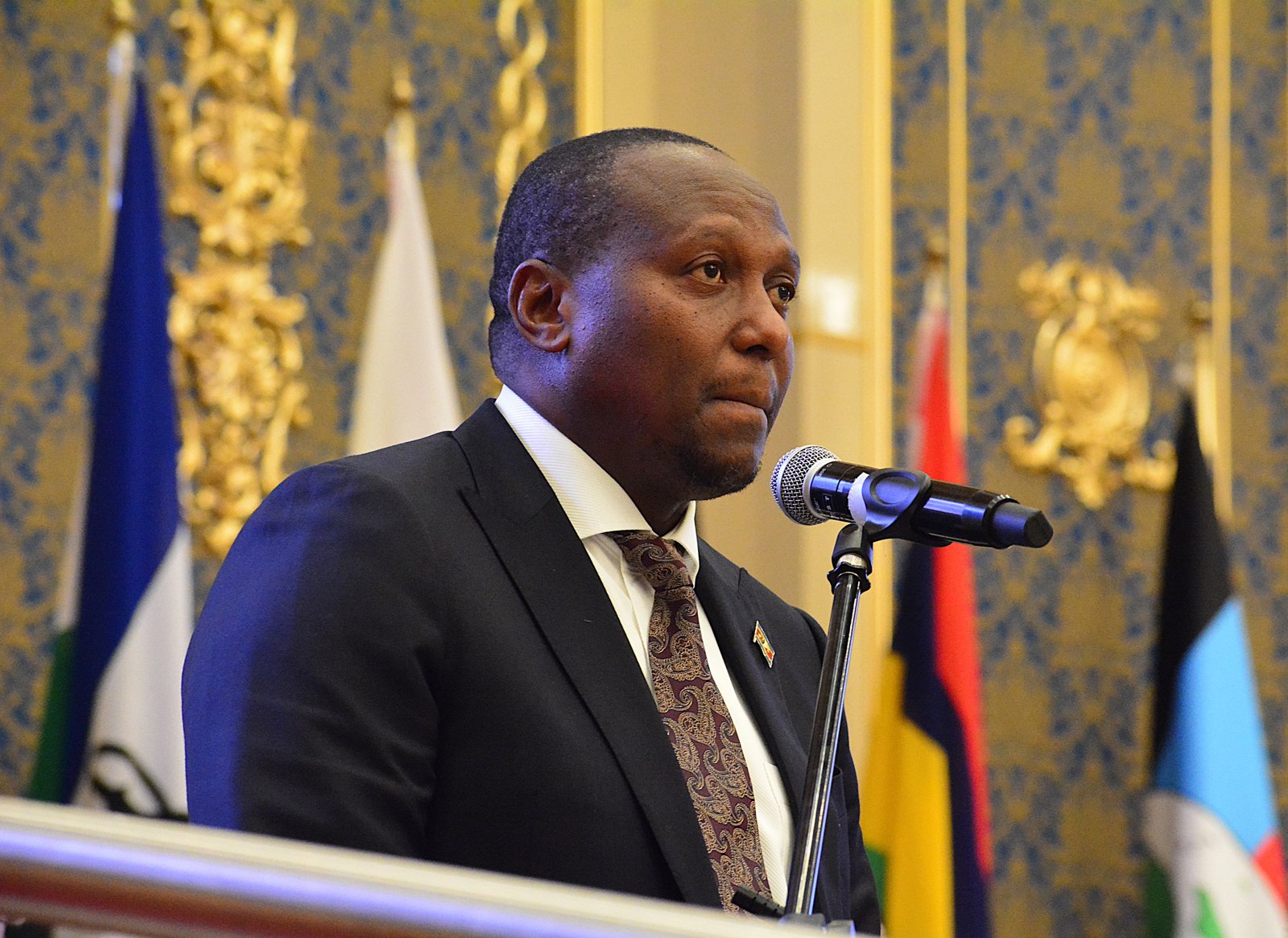
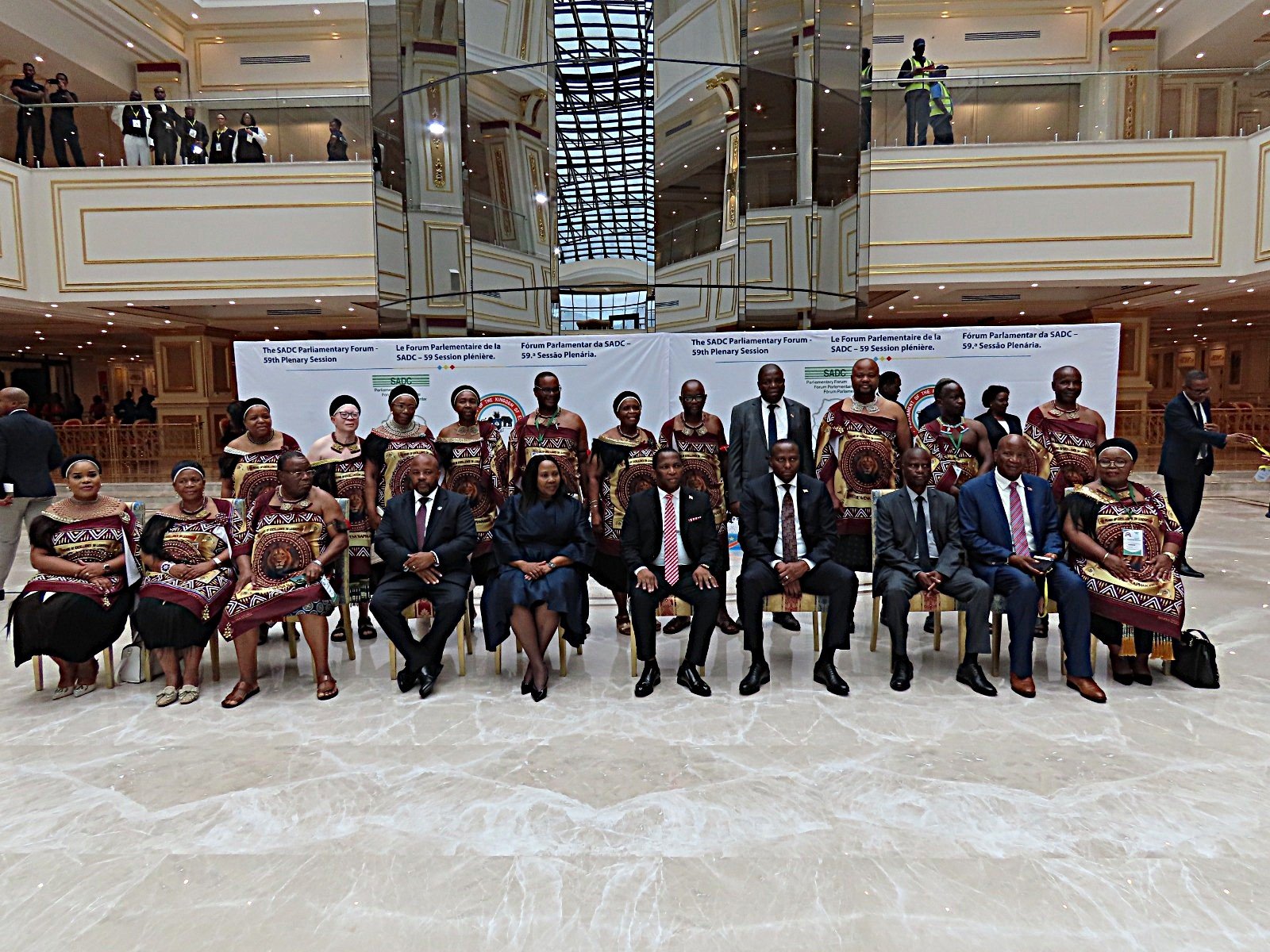
EZULWINI, Eswatini — The 59th Plenary Assembly Session of the SADC Parliamentary Forum got underway in Eswatini on Saturday with a call from Prime Minister Russell Mmiso Dlamini for governments, parliaments and communities to turn commitments to end child marriage into practical, accountable action.
Opening the Assembly at Ezulwini Palazzo, PM Dlamini said political leadership must provide direction and resources, culture must uphold children’s dignity and protection, and reliable data must guide interventions and measure results.
“The measure of our resolve will be found in the lives of the children whose futures we are gathered to protect,” he said.
“The measure of our resolve will be found in the lives of the children whose futures we are gathered to protect.”
The Plenary is being held under the theme “Harnessing Political Leadership, Progressive Culture and Data to Accelerate the Eradication of Child Marriage in the SADC Region.”
PM Dlamini described ending child marriage as “a legal responsibility, a moral imperative and a necessity for sustainable development” and warned that the practice harms children’s health, education and prospects, while weakening families and perpetuating poverty.
He said Eswatini views the protection of women and children as integral to its values of family, community and nationhood. Invoking ubuntu, he said a child’s welfare is a shared concern and places a duty on everyone with the authority, influence or means to protect children at risk.
He stressed the response must include support for girls facing pressure to marry, so they can remain in education and their households can access assistance. Children already in marriage must also be able to obtain protection, healthcare, legal help and opportunities to continue their education “without stigma or exclusion.”
The Prime Minister argued that physical development does not make a child an adult or mean that a child is ready for marriage. He said adults remain responsible for respecting the law and protecting children from exploitation, regardless of a child’s appearance, conduct or apparent willingness.
He said poverty can make marriage appear to families to be a way to ease hardship or secure a girl’s future. He called for prevention efforts to address those pressures through social protection, quality education, livelihood opportunities and support for vulnerable families. Keeping girls in school, he said, can require help with essential costs, safe transport and protection from violence.
The Prime Minister urged parliaments to hold governments to account for funding and delivery, asking: “What has been funded? What has been implemented? Where are the gaps? Who bears responsibility for addressing them?”
He said laws must be backed by functioning institutions, accessible reporting channels, timely investigations and effective remedies.
He called on traditional and religious leaders to work with public institutions and communities to strengthen child protection, while reforming practices that cause harm.
Parents and educators, he said, should be equipped to guide children and respond to risks. Public education should help parents understand the consequences of child marriage, ensure children know their rights and where to seek help, and enable communities to intervene before harm occurs.
The Prime Minister Dlamini also called for age-appropriate education, responsible parenting, accessible health services and effective protection against abuse to address early sexual activity, adolescent pregnancy and HIV vulnerability. He said children themselves must be heard, and their experiences should shape the measures designed to protect them.
Eswatini’s framework includes the Constitution, the Children’s Protection and Welfare Act of 2012, and the Sexual Offences and Domestic Violence Act of 2018. He said work must continue to review and harmonise marriage laws, including older statutory provisions and their relationship with customary law, so protections for every child are clear and consistent.
He welcomed the forthcoming launch of the SADC PF Regional Child Marriage Monitoring Dashboard, saying it could help identify gaps, track legislative and policy progress, and strengthen parliamentary oversight across the region. He said its value would depend on whether it helps decisionmakers identify where risks are greatest, which interventions work and where resources should go.
Eswatini’s 2021–2022 survey recorded that 1.9 per cent of women aged 20 to 24 had married before age 18.
“Each child represented in that figure matters,” PM Dlamini said, stressing that data must be handled in ways that safeguard children’s privacy, dignity and safety.
Welcoming delegates on behalf of His Majesty’s Government and the people of Eswatini, The Prime Minister Dlamini said the Kingdom was honoured to host an Assembly committed to regional progress and the welfare of its people. The gathering returns to Ezulwini ten years after the Forum adopted the SADC Model Law on Eradicating Child Marriage there.
He urged each delegation to leave with “a clear undertaking, an identified responsibility and a definite date for reviewing progress,” so that members could report back on action taken, communities reached and children protected.
He also reaffirmed Eswatini’s commitment to transforming the SADC Parliamentary Forum into a SADC Parliament and said the Kingdom would continue working with Member States to advance implementation of the amended SADC Treaty.
He noted Eswatini’s aspiration to host the SADC University of Transformation and its plans to establish an Institute of Parliamentary Studies with the University of Eswatini.
He said progress would be seen in girls who remain in school, children who reach adulthood safely, and young people able to determine their futures free from coercion and exploitation.