RWPC urges stronger laws, funding and accountability to advance rights of women and girls
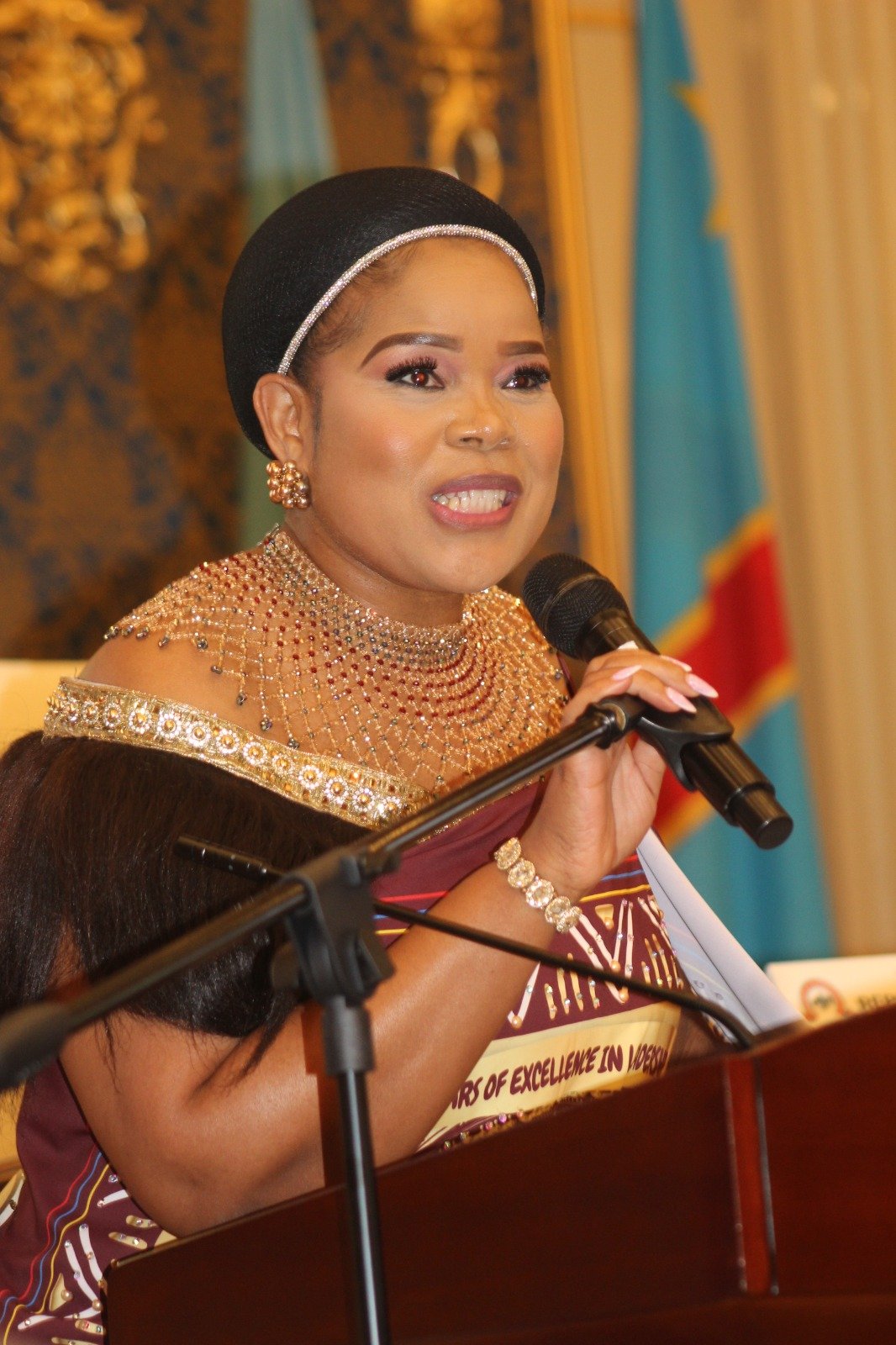
EZULWINI, Eswatini — The Regional Women’s Parliamentary Caucus of the SADC Parliamentary Forum has called on SADC member states to turn regional commitments on gender equality into enforceable laws, properly funded programmes and measurable improvements in the lives of women and girls.
Delivering the Caucus’s statement at the official opening of the 59th Plenary Assembly in Ezulwini on 21 November, Eswatini Senator Dr Linda Nxumalo urged parliaments to use their legislative, budgetary and oversight powers more decisively.
“Let this 59th Plenary Assembly mark a renewed commitment to decisive action,” she said adding, “Let us build a SADC region where no woman is denied the opportunity to lead, no girl is robbed of her childhood, and equality is not merely promised, but experienced in everyday life.”
“Let us build a SADC region where no woman is denied the opportunity to lead, no girl is robbed of her childhood, and equality is not merely promised, but experienced in everyday life.”
Sen Nxumalo said the region’s response must address the connected challenges of gender-based violence, economic exclusion, climate change, limited political representation and unequal access to healthcare and education.
She highlighted the growing threat of digital violence, including cyberstalking, online harassment and the misuse of artificial intelligence, and called for national laws that provide effective safeguards and remedies. Women, she said, should be able to take part in public life and the digital economy “without intimidation, discrimination or exclusion.”
The Caucus also called for greater economic opportunities for women, including access to land, agricultural inputs, finance, markets and decent employment. Sen Nxumalo said governments should institutionalise gender-responsive budgeting and ensure parliamentary scrutiny of public spending.
She urged governments to strengthen gender-responsive climate adaptation and disaster preparedness by investing in early-warning systems, climate-resilient agriculture, water infrastructure and social protection. These measures, she said, are vital for rural women whose livelihoods support households and communities.
Marking ten years since the adoption of the SADC Model Law on Eradicating Child Marriage and Protecting Children Already in Marriage, Sen Nxumalo called for stronger national action to implement regional commitments. That should include legislative reform, effective enforcement, accessible justice, adequately resourced protection services and sustained investment in prevention.
“Without these measures, the rights enshrined in our laws will remain out of reach for those who need them most,” she said.
Sen Nxumalo also called for implementation of the SADC Framework on Achieving Gender Parity in Politics and Decision-Making, 2025 - 2035. She said electoral and institutional reforms, measurable targets and regular accountability mechanisms were needed, and that increased representation must translate into influence over parliamentary leadership, legislation, budgets and public policy.
She pointed to uneven progress in women’s political representation across the region, saying no reporting SADC member state reached the 50 per cent gender parity target in 2025. Gains, she cautioned, were “neither assured nor irreversible.”
The statement drew on Eswatini’s history of women’s leadership, including the institution of the Ndlovukazi and the legacy of Queen Labotsibeni Gwamile. Sen Nxumalo said these examples demonstrate that women’s leadership is rooted in African history and identity, and challenge the region to extend meaningful opportunities to women across society.
With the 16 Days of Activism Against Gender-Based Violence approaching, she stressed the need for survivor protection and institutional accountability. Condemnation alone, she said, is insufficient when survivors cannot access support and perpetrators evade justice.